
 Call Mike: 07721 366007


8 Fencing Mistakes You Could Be Making
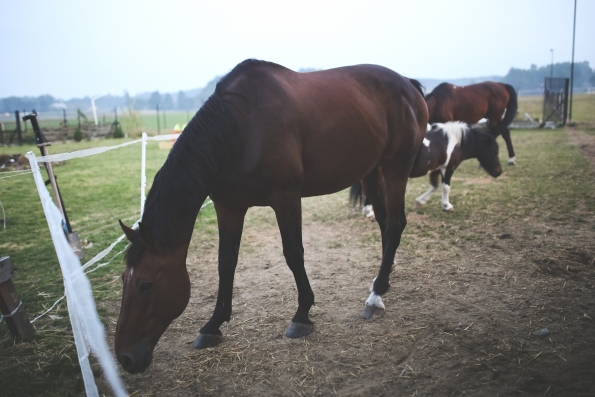
Mud is the foe of many who work in the great outdoors, and no more so than for those who have to deal with muddy paddocks when the heavens have opened. Whether it’s the snow and ice in winter ruining a previously healthy paddock, by the time spring arrives, April showers are often in full swing – leaving a paddock ravaged by mud.
Aside from being rather unsightly, mud can also be a health hazard for horses who are left to stand in muddy paddocks for long periods of time. The mud can contain bacteria and fungi which makes horses more susceptible to thrush and scratches (mud fever), which can be difficult to treat if they cannot be moved to dry ground. If the paddock becomes slippery, it can also cause horseshoes to become lost, soft hooves and even cause injury. Diet can also be impacted as a muddy feeding ground can lead to dirt or sand to be ingested, causing colic.
It’s not just horses who have to deal with the impact either, as it can become a pain for paddock owners to maintain; making simple tasks fraught with added risks and putting your routine out of order.
As well as being caused by poor weather conditions, mud can build in areas which receive the highest amount of traffic. For example, areas surrounding where you feed your horses can suffer frequented trampling, which impacts the topsoil and compacts the soil below. The soil compaction causes rainwater to be unable to penetrate the ground and filter through the soil, leaving it to collect on, and mix with, topsoil, manure, hay and shaving. This concoction leads to mud forming.
To help divert a mud crises, keep in mind the following tips.
Preventative Measures
One inch of rainfall on a 20ft by 50ft paddock can produce around 620 gallons of water, so it’s best to put in place preventative measures before the weather takes a turn for the worse.
Paddock Location
Your paddock should be situated on high ground and have a good drainage system in place. Ideally, placed away from a barn, the riding area and waterways which form naturally. Water and food should be at the highest ground point.
If your paddock isn’t on high ground, then you may find that you accumulate runoff water. However, you can divert it by placing a French drain (a pipe which has been dug into the ground then topped with gravel). Water is then able to flow into the gravel, into the dug-out trench for the pipe and can then be emptied away from the paddock.
Paddock Footing
Depending on whether you use woodchip, sand or gravel as footing in your paddock will determine how muddy it becomes. While hogfuel (woodchips) provides a good surface, they are particularly susceptible to decomposition over time and can contribute to mud unless they are replaced regularly. If you can, choose gravel as it provides you with a good drainage system and solid footing – however, any larger than five to eight inches can be uncomfortable for horses. Sand also has its benefits, but you should refrain from feeding your horses on this surface as it can result in colic if ingested.
Whatever footing you use, you should put down twice as much, as you have mud. You should also regularly pick out the paddocks so that manure isn’t mixed in with the topsoil and footing – ideally, once a week.
Rotation Schedule
If you can, then a rotational paddock schedule can give your ground a rest from horse hooves and daily usage, helping to prevent mud from occurring. If you don’t have another paddock available, and your paddock is large enough to do so, then you could divide your current paddock into sections and rotate horses in each area. You could invest in a ‘sacrifice area’ which is where you use a paddock when the pasture is particularly wet, or you are experiencing bad weather. A sacrifice area is useful to have, as it means that larger paddocks which are expensive to maintain can be maintained.
Grazing and Feeding
If you allow horses to graze on grass too much, then it can ruin the root system which ruins the grass’ capability of preventing runoff.
Rotating the location of feeders and watering stations can also ensure that horses don’t stand in areas which have been affected by mud, causing them to become vulnerable to illness and worsening muddy areas. This will give the ground time to dry out.
The Cure for a Muddy Paddock
If your paddock does reach the stage where it needs some TLC to get rid of the mud, then these steps will allow you to treat the worst affected areas.
Begin by removing the topsoil in the area which is particularly muddy. This should be done to a depth of around eight inches.
Lay down an area of filter fabric (a material which will have holes in) and top with around four inches of stone, followed by another layer of fabric. This should then be covered with your footing of choice.
This method works by acting as a water-permeable barrier which prevents your footing from mixing with the soil below, which then creates mud. It also doesn’t affect your drainage system, as the fabric helps to facilitate drainage, and create a base which drains well and reduces soil compaction.
You can use this method in problem areas or throughout your whole paddock.
Related posts


