
 Call Mike: 07721 366007


How Do I Manage My Pasture in Autumn and Winter?
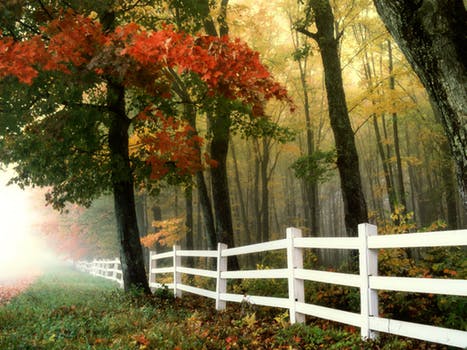
Fencing is one of the most essential components in keeping your land, property, and animals secure. From preventing unwanted intrusions to inhibiting runaway horses, perimeter fencing needs to be safe and sturdy to ensure that maximum security is maintained all year round.
Yet, despite many land owners understanding just how important getting fencing right is, mistakes are often made.
Here are eight mistakes that you could be making.
- Choosing the wrong fencing
First of all, you need to ensure that the fencing that you choose is right for your requirements. Choose the wrong fencing, and you will soon realise that you have chosen an inadequate fencing solution.
For more on selecting the right fencing, you can read our blog post here.
- Installing low fencing
If the fencing that you install is too low then it won’t secure your land properly or keep animals in the paddock, therefore you need to ensure that your fencing is of adequate height.
If you have horses, for example, then the fence needs to be as high as the withers on the tallest horse that you have.
Fence panels should sit no higher than one foot from the ground, as this could also cause issues such as animals getting hooves caught if the gap is too small or lead to them escaping if it is too high.

- Using barbed wire
While barbed wire is an effective fencing solution if you do not have livestock, if you do keep animals then barbed wire can be extremely harmful to them.
If you only need to secure your land and crops, barbed wire can be used, but otherwise you should use a smooth wire such as a high tensile material.
- Damaged fencing
Damaged fencing will leave your land and livestock vulnerable, therefore you should ensure that you regularly check that your fencing is in good condition with no rotting fence posts, broken fence panels or wires hanging off.
Essentially, you want to look out for anything which could damage livestock with sharp edges or leave areas exposed where they could escape. For example, metal t-posts need to be capped to ensure that no sharp edges are exposed, and wooden posts should be void of splinters and so forth.
- Unsecure anchor posts
Anchor posts lock your fence together, and if these are not secure and stable, then the fence will be unable to provide a secure base for the rest of the structure. If your anchor posts fall down, then so will the rest of your fence.
Larger in size, corner posts are designed to provide the basis of the framework for the rest of the fence to be built from. They therefore need to be set into the ground securely.
When securing your anchor posts, you need to assess whether they are set deep enough as this is one of the most common issues faced by land owners. Posts also need to be correctly sized so that they provide a sturdy base.
As a guide, corner posts should be six to seven inches in diameter for a six-wire high-tensile fence. While for fewer wire strands you can reduce the post diameter.

- Not spacing line posts correctly
Even if you have correctly installed your anchor posts, if your line posts aren’t evenly spaced in between then you will still be left with a structure which isn’t safe and at risk of falling down.
While line posts do not need to be as sturdy as anchor posts, they are there to support the fencing material (such as a high tensile wire), therefore they need to be set deep enough and be tall enough to support the fence’s weight.
Posts need to be installed with precision and be as straight as possible, as wonky posts can cause a strain on the rest of the structure.
- Placing gates in incorrect locations
Plan, plan, plan. You don’t want to install your fencing, and then realise that your gates are in the wrong position. Map out the design of your fence and where you want the gates to be located, as relocating gateposts isn’t a task that you will want to take on.
When deciding where to place your gate, you will want to consider how the location impacts the movement of traffic from humans and animals. For example, a gate installed on a corner, means that animals can be driven out along the fence, and encourage people to walk down the length of the fence, rather than cutting corners.
Size is also important when installing a gate into your pasture, as you will need to ensure that it is wide enough to fit machinery through and livestock in some cases. Your gate should also match the height of your fence.
- Not using a specialist
Lastly, if you are reading this list and thinking ‘I still think I could install a fence myself’, then be prepared to be in for a shock. Using a fencing specialist will ensure that these mistakes are avoided, and your fence is installed professionally.
A specialist will have the correct tools required to install your fence. For example, a ‘quick fencer’ is used to install stock netting and ensures that the wire is tight, providing greater security. A tool which is not readily available for use by those who haven’t been trained in installing such fencing materials.
If you want a professional, secure finish then enlisting the help of a specialist in fencing installations will provide you with the knowledge, expertise and manpower to complete the task.
Related posts


