
 Call Mike: 07721 366007


8 Fencing Mistakes You Could Be Making
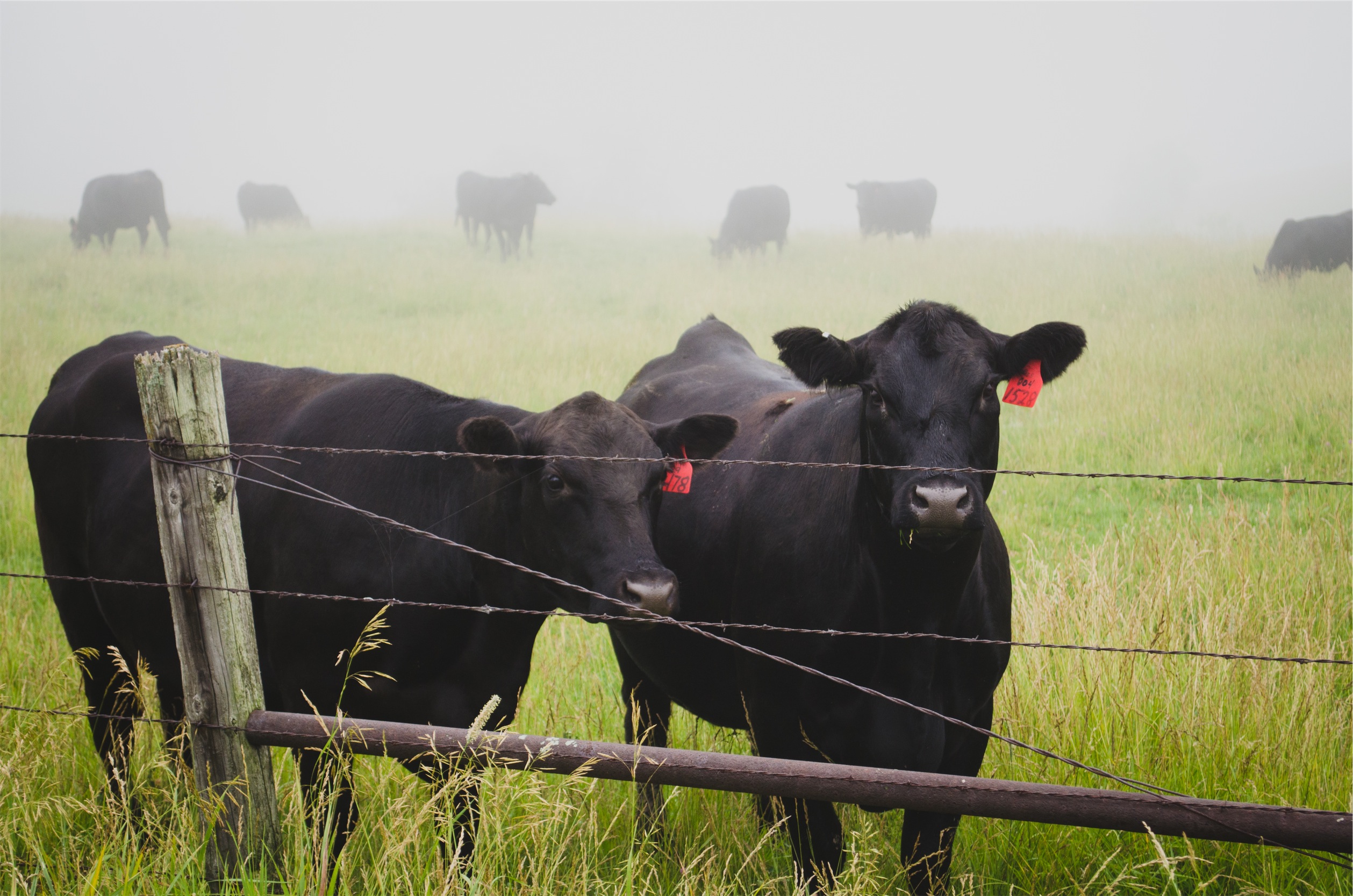
Farming is an all weather activity that continues to be labour intensive no matter the season.
Although production is generally decreased during the winter months, there is still livestock to be cared for and land to be maintained.
December through to March brings some of the most dramatic temperature drops, and with the cold days comes frosty mornings and minor amounts of sunshine that can all effect the condition of farm land.
Without the correct preparation and maintenance, small issues can quickly cause bigger problems later on in the seasons. Causing delays in crop growing, as well as putting cattle at risk of illness and injury.
To ensure your land remains productive throughout winter, we’ve collated five tips that can ensure your farm continues being a safe place for cattle and industrious no matter the weather.
Harrow your ground
Aeration is the method in which small holes are perforated into the soil to allow water and nutrients to penetrate the roots.
The main reason for aerating soil is to alleviate compacted soil which occurs due to heavy use from livestock and agricultural machinery. By aerating the soil, you can enable roots to grow deeply and produce a stronger, more robust pasture.
Whilst aeration is commonly carried out during the spring and autumn; it is also ideal, ground conditions permitting, to conduct this again in the winter due to the soil becoming compact from excessive bad weather.
Harrowing your land will break-up dry ground, help prevent the spread of weeds, aerate the soil in compacted areas and remove any shallow rooted weeds.
While harrowing is traditionally used to fertilise, it has many further benefits in the winter months. Including recovering lands from floods.
“Floodwater can cause physical and chemical changes in the soil that alter the structure, so when the soil is a little drier, dig some holes and assess the degree of compaction. If the damage is significant, slit aeration [method of aerating the soil] or sward lifting [lifting the topsoil just below the depth of compaction] may be required.” – Elaine Jewkes, Director of the British Grassland Society.
Rotate grazing
Circulating your animals between different fields is a common practice in paddock maintenance, but it is vital during the long winter months when soil becomes increasingly compacted.
The success of your winter grazing rotation will effect the growing season that comes, so implementing a rigorous grazing strategy will help you to create nutritious pastures for the months ahead.
On wet days it is ideal to shelter livestock in a barn and relieve soil from their heavy movement.
Segmenting your fields into grazing blocks can provide livestock with a consistent space to graze as well as offer breaks to the land. Building a narrow track to run alongside the field can provide access to grazing blocks without the livestock needing to walk over the rest of the paddock.
“During the winter months grazing time is restricted, with cows brought in after a few hours on wet days to avoid poaching. However, on very wet days, stock can be kept in and fed silage”, comments Pat OShaughnessy a Dairy Farmer in Co Limerick.
A well thought-out plan will withstand the ravages of frost, wind, rain and snow.
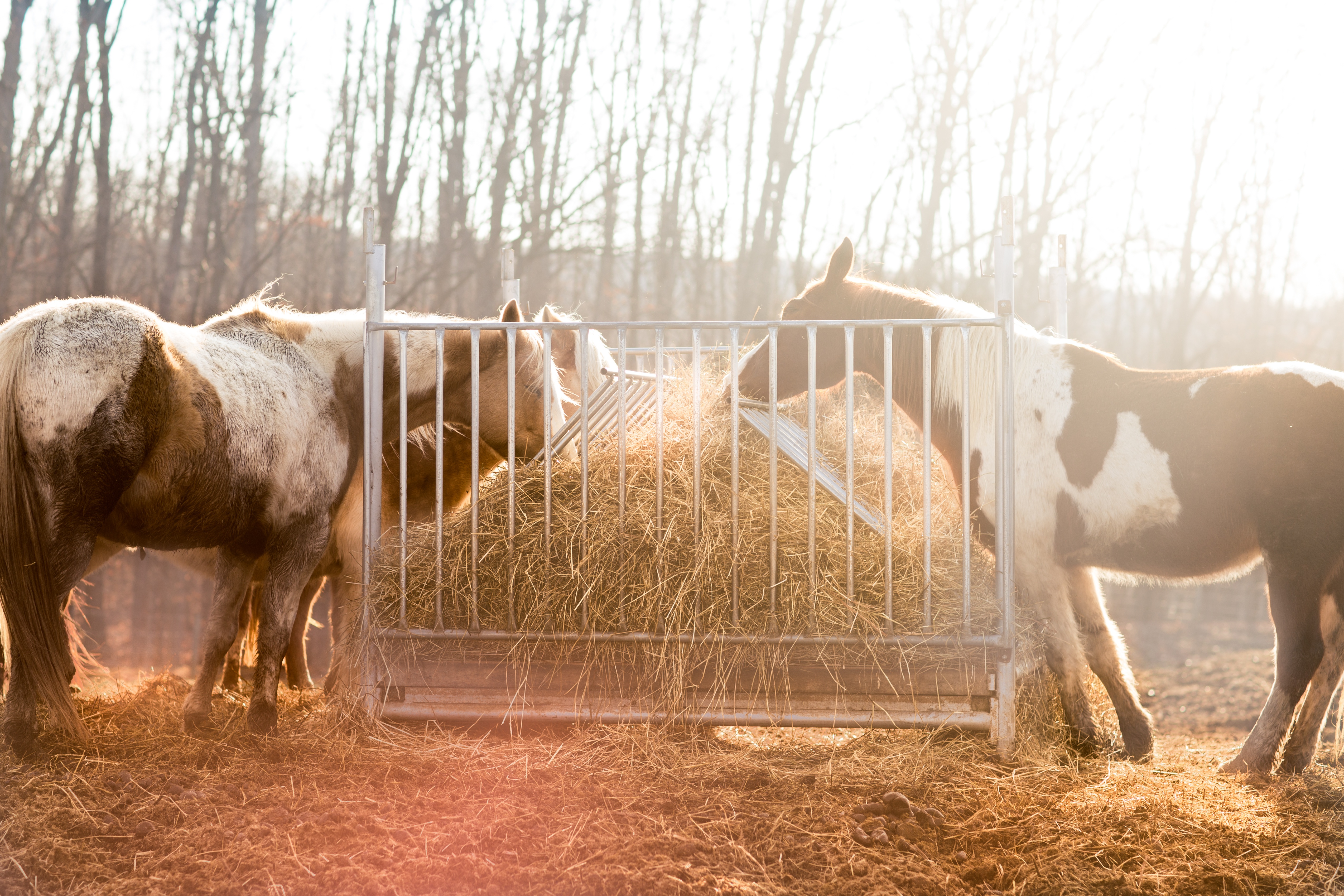
Repair fencing
It is not uncommon for fencing and agricultural buildings to be damaged during the high winds in winter.
Putting yourself and cattle at risk of serious injury, you should ensure all fencing and buildings on your property are structurally stable, and can withstand the effects of snow and wind.
If your fencing is showing signs of distortion or corrosion, it is strongly advised to fix this before the bad weather causes further damage.
Poor fencing can be particularly dangerous in the winter months so it is best to secure this as early in the season as possible to keep all livestock safe and secure.
Fuel up
Your machinery will be your lifeline in the winter months so it is imperative that you are fully stocked and prepared for any excessive use.
Regular cycles of cold and warm weather can lead to pipes fracturing, so it is advised to check these on a regular basis, and before any machinery is used. Water getting into fuel tanks can cause separation and bacterial growth, therefore, consider examining the tanks before adding any more fuel.
Buying fuel in advance to the winter months will help you to avoid any increases in price and give you a consistent reserve.
As always, it is recommended that you do not spread muck or fertiliser on frozen ground, as nutrients are unlikely to permeate the hard ground, and could cause water pollution as the nutrients on the ground will be washed away.
Flood check
Flooding can be devastating to farm land during the winter months, and it’s become increasingly common over the past few years in parts of the North and South of England.
If unprepared, floods can cost land owner thousands of pounds in lost live stock and land damage that can take months to recuperate. By preparing for a flood you can not only save yourself money, but remain productive after the floods have left.
You can be instantly notified of any local flood risks via the Environment Agency’s Floodline on 0345 988 1188. This will give you an early warning so that you can act upon the impending weather.
Stockpiling sandbags and pallets before a flood hits is essential in minimising the impact a flood may have on your land.
You should also take the time to identify any chemicals and fuel that could contaminate floodwater and consider how to move them to a safe place.
Moving livestock to higher ground will allow you to secure them in a safe place that will not be hit by the flood, and make dealing with stressed livestock far easier.
Related posts


