 Call Mike: 07721 366007


8 Fencing Mistakes You Could Be Making
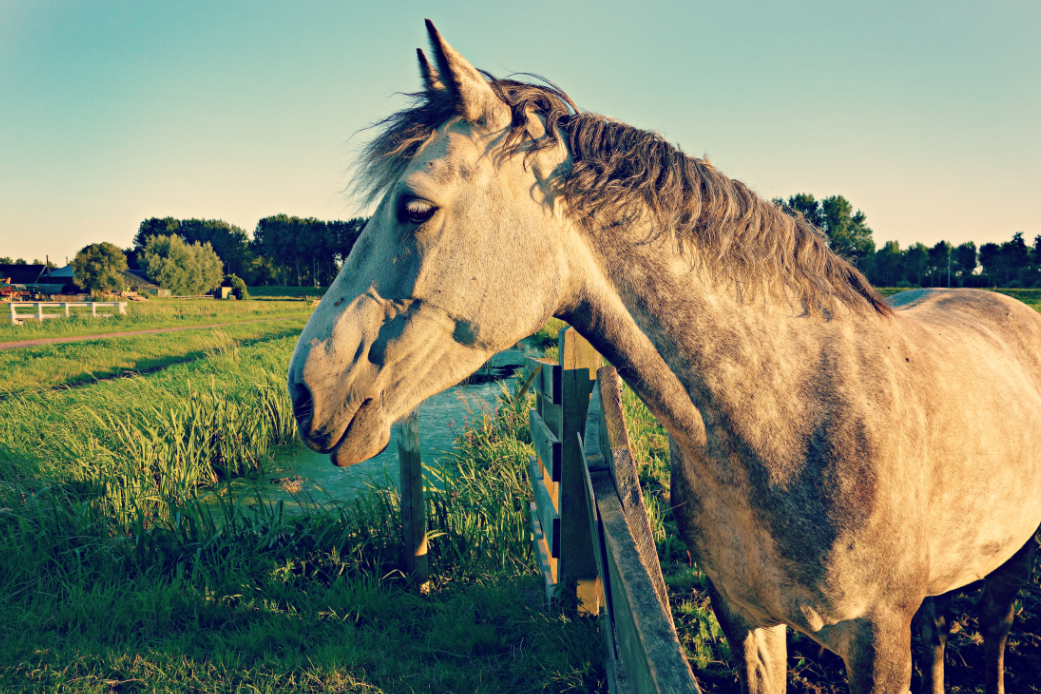
A paddock is an enclosed area of grassland used to keep horses. It is a safe space for them to exercise, feed, rest and socialise with other field mates.
If a paddock is not properly maintained, it can quickly run into disrepair. The daily wear and tear of keeping horses, along with adverse weather conditions, can mean your paddock quickly becomes an unsafe environment for your animals and is no longer fit for purpose.
We have outlined some of the reasons why keeping on top of paddock maintenance is so important and provided some useful guidelines on how to achieve this.
Keeping your Horses Healthy
The number one reason to ensure your paddocks are well-maintained lies in the safety and wellbeing of your horses.
Paddocks that are in poor condition pose a serious risk to horses in the form of dangerous plants, boggy ground, parasitic infection and lack of good grazing.
Many common British plants are poisonous to equines and should be removed by paddock topping or spraying bi-annually with herbicide. Keeping weeds at bay can ensure your pasture remains a safe space for your horses to graze.
Weather conditions such as rain and frost can cause fields to become muddy extremely quickly, particularly in the winter months. A muddy paddock can result in a whole range of foot problems for your horse including softened hooves, mud fever and abscesses. To keep your paddock from turning into a swamp each winter it should be treated during the spring. Soil aeration is the process of perforating the soil with small holes to stop the ground from getting compacted and results in better water drainage.
Lack of good grass can also cause problems. A paddock is not just a space to house horses, for many it is also their primary source of food. Good grass preservation will ensure your horses have an adequate supply of quality grazing material throughout the year. Methods such as grass harrowing help to promote regular regrowth by removing dead thatch.
Regular poo picking in your paddock will minimise the risk of your horses contracting parasites. Field cleaning is typically done with a fork and wheelbarrow but a towable paddock vacuum can also be used.
Keeping your Land Useable
Adequate paddock maintenance also means your land will have longevity and can be used for longer.
Field rotation is the process of circulating your animals between different fields to allow grass to rest. It also allows time to treat fields that are being rested so they have plenty of time to regenerate before your animals are returned. While fields are free from horses, re-seeding will help improve the grass quality in the field and restore any bare patches.
Another good way to keep your land in good condition is to analyse soil conditions by taking a PH sample and sending it away for laboratory analysis. Knowing what levels your soil is deficient in will help you select the correct fertilizer and ensure your spring grass is lush and plentiful.
Saving you Money
Another reason to practice good paddock conservation is for financial reasons. If your own land needs to be abandoned due to poor upkeep, your animals must be moved elsewhere. Field livery can cost up to £40 per week per horse, so poor paddock maintenance could rapidly turn into an expensive problem.
A paddock in bad condition puts animals at risk from numerous health concerns, and veterinary bills are notoriously costly.
When it comes to looking after your paddock, prevention is better than cure, and looking after your land should be a priority for every equine owner.
Related posts


