 Call Mike: 07721 366007


8 Fencing Mistakes You Could Be Making
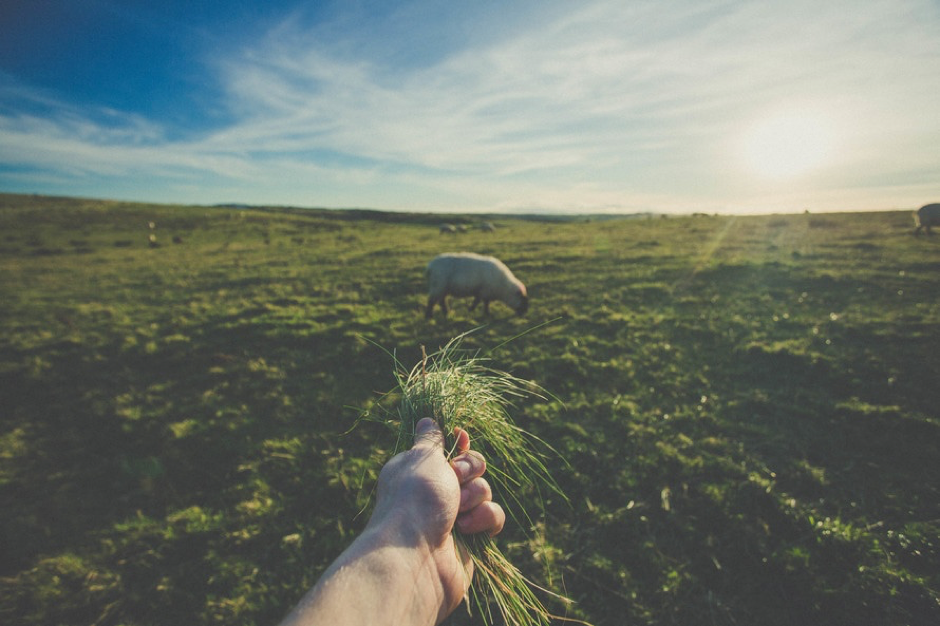
If you own livestock or horses, you have a duty of care to ensure the land they graze on is secure and safe. Many animal owners are surprised by the number of potential dangers a field can possess to our four-legged friends.
We have explored some of the ways you can identify and eliminate hazards from your land to ensure it is kept in top condition and remains animal-friendly.
Check for Dangerous Plants
A number of plants can prove dangerous or even fatal to grazing animals if they are ingested.
Ragwort is a common UK wildflower that is highly poisonous to most animals but causes particular damage to horses. Ragwort poisoning results in sensitivity to sunlight, breathing problems, blindness, and eventually liver damage and death. It emits a foul odour and bitter taste if chewed, but owners should not trust the judgement of their animals to avoid it if it grows in their field. Younger flowers are less bitter than adult plants, and some horses even develop a taste for it. What makes ragwort poisoning particularly devastating for equine owners is that it can build up gradually in a horse’s system and then cause a rapid and irreversible decline.
The sunny buttercup is another surprising candidate that causes damage to livestock.
Buttercups tend to grow in shady and moist areas, so animals who graze near ditches and rivers, or in wet paddocks are at an increased risk. Buttercup poisoning causes colic in sheep, cows, horses and goats and can lead to haemorrhages and convulsions in worst case scenarios.
Acorns and oak leaves contain tannins that are toxic to horses, cattle and occasionally sheep. Research from National Animal Disease Information Service (NADIS) suggests acorns are one of the most common culprits of bovine poisoning, particularly in late Summer and early Autumn.
Oak poisoning can not only prove fatal to the animal but is also linked to birth defects in calves, resulting in disastrous effects on the future herd.
Spraying your pasture with herbicide once a year, or once every two years will kill off young weeds before they have a chance to grow. Older plants should be pulled up by the roots and burned to ensure they are destroyed and will not grow again.
Removing tall and rough plants by paddock topping with a flail mower can also cut down dangerous weeds before they have a chance to germinate and spread to other areas of land.
A full list of plants that are dangerous to animals can be found here.
Ensure you have Secure Fencing
Inadequate fencing can prove dangerous to your herd and costly to repair.
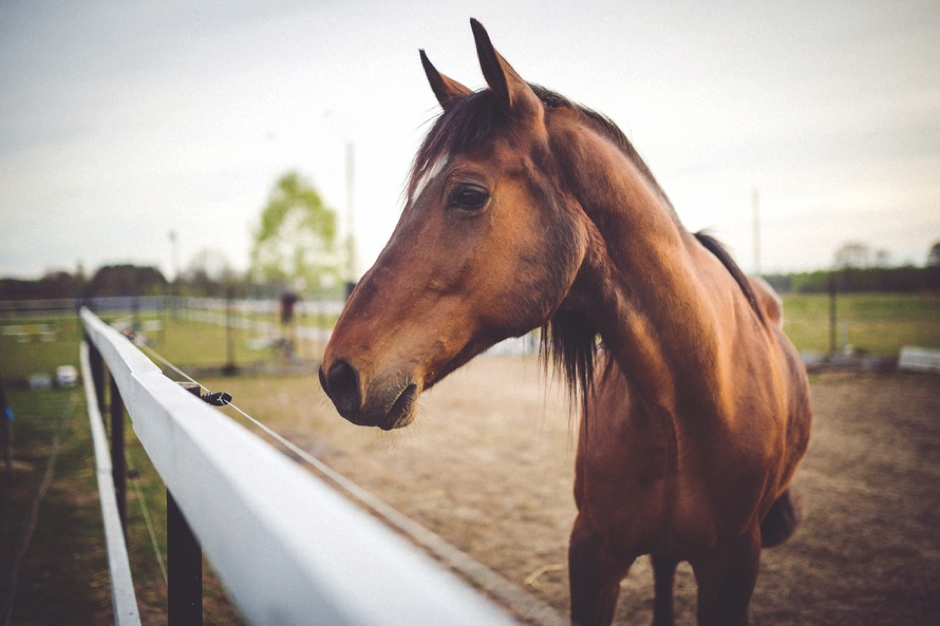
Any farmer will tell you that cows love to rub themselves against a fence, and will regularly lean on or over fencing to reach the longer grass beyond. Many horses can clear obstacles over five feet high and will escape their field if they feel threatened or want to join other animals. Sheep are notorious for finding and squeezing through any gaps in wire fencing, frequently getting stuck in the process.
Sharp or jagged sections of fence can cause serious harm to animals too. Equine owner Claire Turner states “At my previous yard, a one-year-old filly was put to sleep following lock jaw caused by cutting herself on a fence so badly she developed blood poisoning.”
A hedge perimeter alone is rarely adequate for containing animals, and fencing should always be secure with no gaps or weak spots. Fencing should be erected by professionals such as our MC Country Services Team – who can carry out regular checks.
Maintain a Good Level of Field Hygiene
Pastures should be well maintained and kept clean at all times to ensure they are safe for animals. Owners must collect droppings regularly to reduce the risk of their animals ingesting parasites, and it is a good idea to completely clear a field at least once a week. Removing manure near weather shelters and feeding stations is particularly important, as parasitic eggs and larvae can live for longer in areas protected from the wind.
All animals should have continuous access to fresh drinking water, and troughs should be replenished regularly, self-filling troughs are often the easiest and most effective option. If the drinking water provided is stagnant or in short supply, animals will quickly lose condition and cows will lose the ability to produce milk.
Additional food should be provided in your pasture during the colder winter months, as winter grass is less abundant and nutrient rich. Hay, molasses and haylage stored in feeding racks should be replaced daily as mouldy food can quickly lead to respiratory and digestive problems in large animals.
Check for Any Further Potential Hazards
Grazing land can differ extensively from one field to the next. It is vital to review any new grazing land from an ‘animal-friendly’ perspective. If your field contains a body of water such as a pond or a river, ensure animals are able to exit the water easily to eliminate the risk of them getting trapped. Rivers and streams with strong currents can pose a potential threat to smaller animals such as sheep and goats.
Metal objects such as wheelbarrows and old farm machinery should also never be left in fields with livestock. Animals can cut themselves on jagged edges and develop serious infections such as septicaemia.
The ground condition of your land is also an important consideration in terms of animal health. If a field is allowed to get waterlogged, animals can develop ‘mud fever’, a painful cracking of the heels and lower legs which leads to inflammation and lameness. Field rotation is important to ensure your animals have enough grazing material and your rested fields have a chance to recover. Grass harrowing by removing dead grass to allow new growth is beneficial to your resting land to ensure it remains plentiful for your animals when they are returned.
Related posts


