
 Call Mike: 07721 366007


8 Fencing Mistakes You Could Be Making
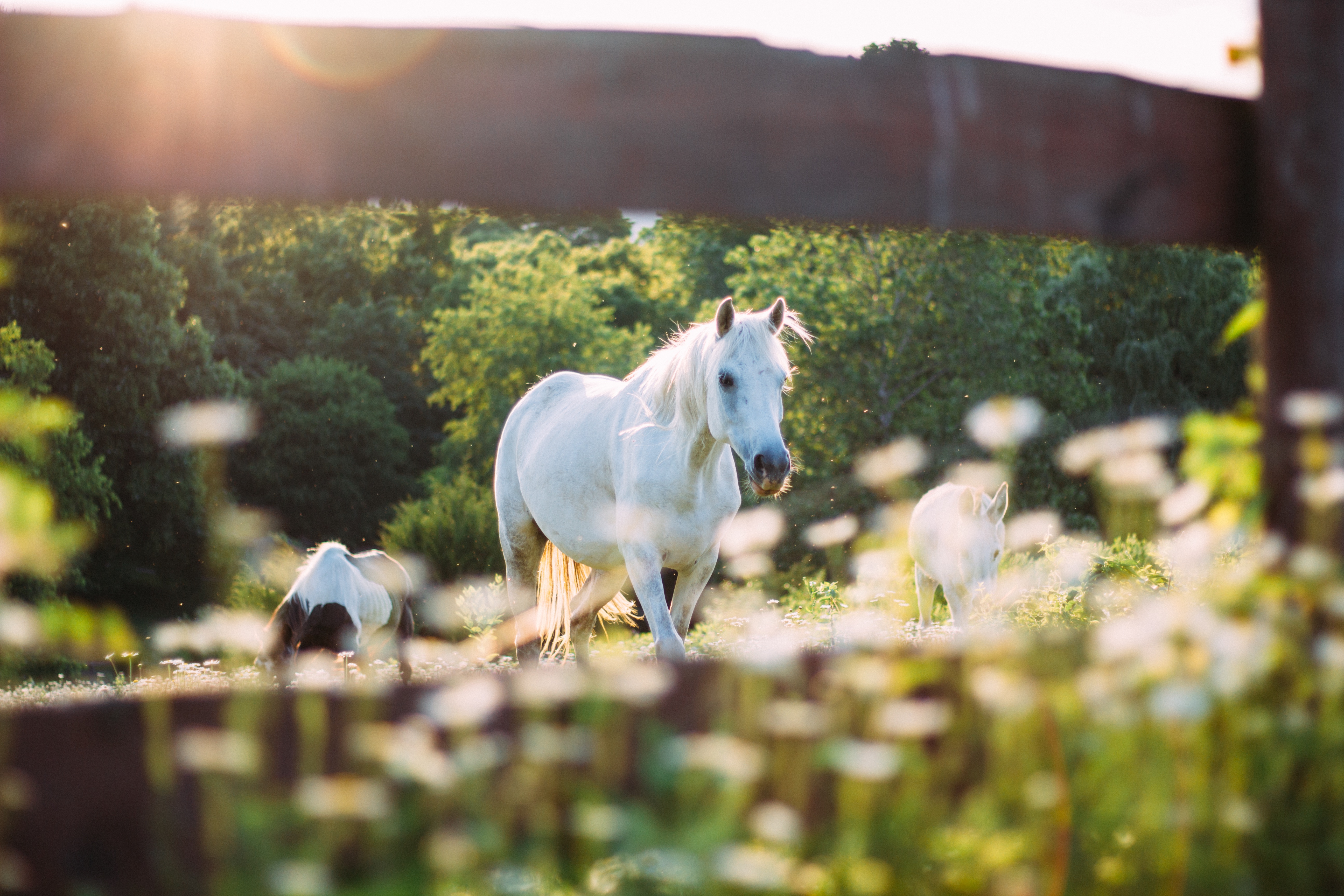
If the winter weather has left your paddocks in disarray, there is no time like the present to begin preparing your land for spring and bringing it back to life.
Churned up fields and poached gateways are a common sign of a field in need of rejuvenation, and as many landowners will know, good pasture management will ensure better quality grass and high-quality grazing for livestock.
To recover your pasture and provide animals with a green and healthy paddock, we’ve collated some helpful tips to get your land back on track.
Sample the Soil
If your fields have become ravaged by winter a soil test may be beneficial to identify the nutrients it is lacking. This is essential in ensuring any fertilisation that takes place during the season will provide the soil with all the nutrients it needs to produce a healthy re-growth.
Early spring is a particularly good time to test soil for any nutrient deficiencies, and our specialists at MC Country Services can provide an agricultural soil sample that will tell you the nitrogen, phosphorus and potassium levels.
Setting off on the right foot in spring will keep your pasture healthy and productive throughout the year.
Remove Dead Grass
Weeds thrive on damaged areas of pasture and will inevitably grow during the wet winter weather. Therefore, harrowing is one of the most effective tasks in removing weeds and dead grass; aerating the sward and encouraging a better growth.
Harrowing should be undertaken in dry conditions by an agricultural specialist to avoid damage to the ground. By undertaking this task in the spring, young growth and root development can begin.
A simple way to tell when your land is ready for harrowing is if the soil has a crumbly texture, or if when kicked it does not stick to your boot.
Manage Weeds
Weeds will begin to prosper in the wet and sunny weather that the spring brings, so it is vital to begin the method of spraying as soon as weeds increase. This will ensure that dangerous plants and weeds are managed before they become a problem to livestock.
Weeds not only reduce the grazing potential for livestock but damage grass and impair growth.
Spraying in the spring time can help to kill between 80% – 90% of weeds, and should always be carried out by a specialist who is qualified in handling the chemicals required.
Improve Worn Pastures
During the cold winter months, pastures can become bare and poached, leading to land which provides minimal grazing for livestock.
Carrying out reseeding can improve worn and damaged pastures, and establish a healthy regrowth that can rejuvenate depleted land and provide the correct balance of nutrients for animals to graze upon.
Reseeding can be performed from late March and should be followed by rolling to encourage germination.
Horses should not graze on young grass until it is well-established.
Level Uneven Ground
While rolling is commonly a task that is undertaken once re-seeding has taken place, it is also ideal for levelling out uneven ground and removing mole hills that can blight land
This is an essential task for preventing water from collecting in any hollows that have been created by livestock hooves or vehicle treads.
Timing is important, as too wet and it will compact the ground. Too dry and it will not be effective.
Carrying this out every spring will restore paddocks which have been poached during the winter.
As detailed in our Guide to Paddock Maintenance, rolling should traditionally follow on from harrowing.
Fertilise
Once the ground has begun to dry and has been prepared by harrowing and rolling, it is an ideal time to fertilise the pasture with a nutrient mix that will establish a healthy and palatable growth for grazing livestock.
The type of fertiliser required will depend on the deficiencies found from a soil sample, and which livestock the grass will be supporting.
For example, horses require good quality grass that is nutritionally balanced.
At MC Country Services, we use SureGrow fertiliser which is specifically designed for horse and pony paddocks. This enables our team of specialists to carry out fertilisation in an efficient manner, and animals can return to the land immediately after fertilisation has taken place.
General Best Practice
Gates – Gateways can become particularly poached during the winter months, so it may be beneficial to implement some drainage to prevent them becoming water-logged during the spring. Once the soil has begun to dry you can then look to reseed the bare ground.
Fencing – As the light increases over the coming months, it is an ideal time to check the condition of any fencing. Looking out for any holes or ruts, and replacing where necessary.
Manure – Daily manure collecting should be a priority for any equestrian land owner. Manure that stands on the grass for prolonged periods will turn the grass coarse and sour, making it unsuitable for grazing.
Sacrifice Paddock – Paddocks should be on a regular rotation to ensure that the grass is not grazed right down to the roots. When grass starts to become short, horses should be moved to a different paddock to allow the other to rest. If you have not implemented a paddock rotation strategy, it is best to begin one as soon as possible.
Related posts


