 Call Mike: 07721 366007


Autumn field maintenance checklist
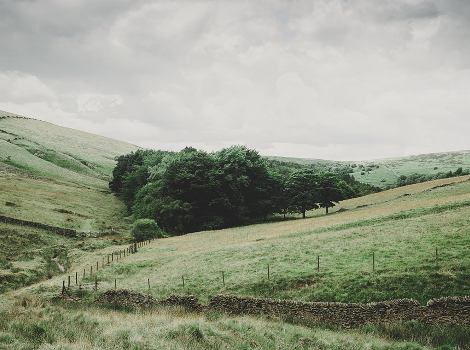
Pasture management and maintenance can take up a lot of your time. However, there are many simple steps to improve the quantity and quality of the forage available, as well as making your life easier. Keeping on top of all the small essential jobs before they develop into bigger problems is essential. Below we’ll take a look at just a few of the ways you can improve your horse pasture.
Mix it up a little
In a country with weather as changeable as the UK, it’s a good idea to include a small variety of foliage. This is because different breeds have different strengths and weaknesses, so selecting types that complement each other’s weaknesses helps to maintain productivity during longer spells of any weather condition.
Keeping weeds in check can also help grass and grazed plants to thrive. The weeds compete with other foliage for space and sunlight and will also fight for the nutrients and water present in the soil. Developing a herbicide and re-seeding schedule can help to ensure your grasses have the best chance to develop.
Keep on top of maintenance jobs
Small maintenance jobs can turn into much larger and more costly problems if left to progress. Keeping on top of any cracked or loose fencing, use an anti-chewing product if your horses like to snack on wood. Make sure all your buildings are fit for purpose. Your feed room should be rodent free and strong enough to keep the horses out. You can use pallets on the floor to reduce the amount of moisture your feed bags are exposed to.
A general inspection of all your plumbing and electrics can help you to spot any rodent damage early. Repairing any minor damage and ensuring everything is adequately protected for the coming season will reduce the likelihood of any major problems later on.

Rotate grazing
If possible, rotate grazing to give your pasture time to recover. Move your horses once your pasture is averaging about 3 inches in height, and ideally leave the pasture until it returns to approximately 8 inches in height. Even just a few weeks can provide a much-needed rest for your pasture. If you have a single large pasture, then you can use temporary fencing to subdivide your pasture.
Reduce mud
All high traffic areas can end up extremely muddy, which potentially makes it dangerous for horses and humans. You should try to minimise the bare patches and subsequent erosion as much as possible. You can do this by using a fast-growing seed, such as perennial ryegrass, which will germinate in around one week. They will provide cover in just a few weeks.
Alternatively, you can install a more permanent solution such as a high traffic pad. These consist of a hardwearing filtration fabric with several layers of firmly packed rock beneath. These can be a good solution around gates, waterers, and feed areas.
Keep on top of droppings in your pasture, as this will help to encourage even pasture and reduce the likelihood of weeds and parasites.

Related posts


