
 Call Mike: 07721 366007




Springtime with Herbicides
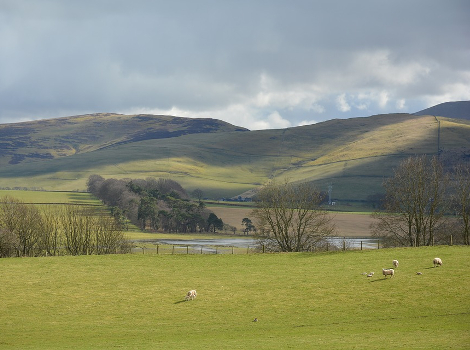
While it’s technically the end of the official equine season, Autumn brings new challenges that must be addressed by owners of paddocks. The coming winter months can damage your paddock if you don’t take the necessary steps early enough.
Below are a few tasks you should definitely consider if you’re going to ensure your four-legged friends have a paddock worthy of them.
Regular maintenance
Sycamore and acorn seeds can both be poisonous to horses. If relevant, check your pasture for falling seeds at regular intervals. Depending on this space you have available, rotate your pastures regularly. This helps to minimise the amount of damage caused. While droppings are inevitable, keeping them to a lower level will help to encourage an even pasture and reduce the likelihood of weeds and parasites.
Soil and ground maintenance
Now is a good time to test your soils nutrient levels. This allows you to invest in a good quality fertiliser that will replace all the essential nutrients that could be lacking.
Remove any large rocks or stones that are protruding through the soil, as these can aggravate your horses.
While you’re concentrating on your soil, it’s the perfect time to level any uneven surfaces that may have appeared through the season. It’s ideal to address this before the ground starts to harden during winter.
Ensure your pasture is abundant
Spreading seeds in patchy areas early enough ensures it’s early enough for them to take root before the frosts start setting in. Overseeding will help to ensure you have a thick and luscious pasture, providing plenty of high-quality grazing for your horses.
Boundary and wood maintenance
Walk around the entire boundary of your paddock noting any cracked or loose fencing that needs replacing or repairing. Tighten any loose electric fencing. Replace or straighten any weak looking fence posts.
Wrap any potentially toxic trees, such as red maple or cherry trees, in burlap or wire mesh. Use an anti-chewing product on any areas that your horses like to snack on, whether fencing or trees.
Outbuilding maintenance and repairs
Make sure all your external electrics are free from rodent damage and that everything is working as it should be. All exterior plumbing should have sufficient lagging to ensure the cold winter months don’t create any problems. Repair any leaks you find.
Use wooden pallets to elevate your bags of feed. This helps to reduce the exposure to moisture and decreases the chances of mould. Make sure the feed room is structurally sound enough to keep any pests or horses out. Repair any brickwork or gaps that need it.
The horse stalls should also be given a once over to identify any repairs. Replace any boards that are cracked or have holes in. Level any sand or clay on the floors and replace any worn rubber mats.
Performing these simple checks and maintenance will help to ensure the winter months go smoother and you’re in a stronger position at the start of the new season.
Related posts


