 Call Mike: 07721 366007



Autumn field maintenance checklist
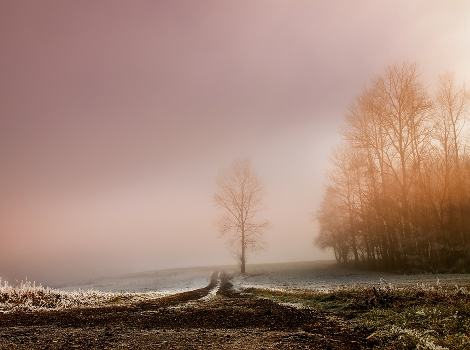
If the UK stays true to recent form, February and March are going to be harsh months. After the winter months, we’ve already endured, ensuring your paddock is holding up well could save you a lot of expense and time once the weather does start to turn milder. A small investment of time and money now can considerably reduce the cost and stress further down the line.
The harsh winter months could already have caused potential problems that you’ll want to address before they worsen. Below is a checklist to help you make sure your paddock is ready to go when the equine season gets into full swing.
Paddock Checklist:
Check the boundary – Now is a great time to check the entire boundary of your paddock. Any problems starting to appear should still be relatively easy to fix, as opposed to if they were left to the elements for another couple of months. Check for any loose electric fencing, cracked fencing, and any loose or weak posts.
Remove protruding objects – While the foliage is at its least developed it’s the perfect time to check for rocks and large stones that have protruded out of the ground. It can be tough going while the ground is hard, but it’s well worth the effort. Invest in a good quality fertiliser to help fill any large holes left behind. This will make the pasture more comfortable for the horses.
Feed Room Integrity – Ensure your feed room has remained rodent free and secure. The colder weather can be troublesome for older brickwork, leaving a few gaps that need to be patched before developing into a much bigger job. Check your feed is remaining dry and free from mould.
Check your plumbing – Plumbing repairs can be extremely costly. Perform a complete inspection to ensure all lagging or heat tape remains in place and will sufficiently protect your pipes from the cold conditions. Repair any leaks or drips to stop them becoming far more costly problems.
Check you electrics – You should inspect your internal and external electrics thoroughly. Check for rodent damage. Ensure all switches are still working correctly. Replace any blown light bulbs.
Inspect your stalls – Repair any holes or cracks that have developed since the last time you inspected the stalls, or better yet, replace the boards completely whenever possible. Check all floor coverings for excessive wear.
Level uneven surfaces – If over the winter your paddock hasn’t drained well, now is the time to address the issue before further wear can occur. This can be tough going while the ground is harder, but will only worsen and cause more damage if left to continue.
General Maintenance Tips
High traffic areas will always suffer more this time of year. Try to minimise erosion to reduce the risk of injury to horses and humans. Consider installing a high traffic pad to particularly bad areas. Don’t forget to be prepared ahead of time for the milder weather, which we’re sure Britain will enjoy at some point, as you’ll want to get to work quickly to maximise your usable time during the equine season.
Related posts


