 Call Mike: 07721 366007


Autumn field maintenance checklist
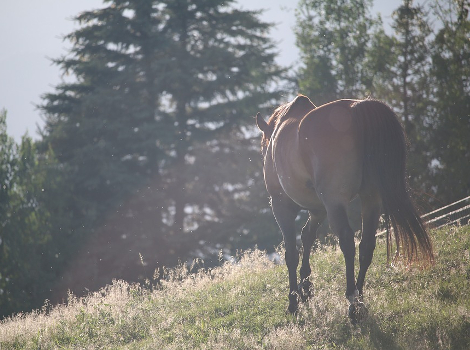
As the cold and wet months of winter end, it’s time to turn our attention to improving your paddocks for the coming months. A well-maintained paddock should provide a secure area that is an excellent food source, exercise space, toilet, and social space for your horses. Horses are selective grazers, so it’s very unlikely your pasture will be evenly worn. Instead, you will face a variety of problems in different parts of the pasture. Below are some tips to help ensure your pasture management is good for your horses’ health.
Start by harrowing
Harrowing should be the first substantial action you take this spring. It will help to remove weeds and dead grass and vegetation, as well as levelling the uneven ground. Harrowing also used to be used as a method of mixing in droppings as a natural fertilizer, but this practice is no longer recommended because there is a very real risk of spreading parasites.
Reseed your pasture
Over winter, some indigenous varieties of grass may well have sprung up. These can be less productive and nutritious, as well as less palatable. Winter will have taken its toll on areas that are more heavily used, often leaving plenty of bare patches. While reseeding the bare patches will help your pasture to recover, overseeding can be a great way to thicken the stand and improve forage quality.
If you’re going to overseed but are fighting weeds at the same time, be sure to check the waiting period on any herbicide you use, as it could potentially damage your seedlings. The best mixture for your pasture can depend on the nutrient profile of your soil. Your success can also be affected by the method you use. Some people use a harrow for seeding, but there are other methods, such as a no-till drill, that might be more suitable for your pasture.

Consolidate loose soil by rolling your pasture
Timing can be crucial when it comes to rolling your pasture. If the ground consists of heavy clay or is too wet, it can result in the ground being too compacted, which could have a negative effect on drainage and grass growth. However, at the right time, rolling can be very beneficial for your pasture. When the ground conditions are perfect, a tractor should just leave a slight trail in the dirt, which is then removed by the roller.
Deal with potential problems
Now is the time to take action against weeds and plants that can be poisonous to your horses. If there are only a limited number they should be fairly easy to deal with, but a more serious infestation may require professional advice on using the best herbicide for specific problems.
Make a start on your maintenance
Many of these tasks will require time and patience to get right and have the desired impact. Performing all of these tasks in the correct order could make or break the quality of your paddock for the rest of the year.
If you require further information or assistance maintaining your paddocks, please get in touch with us. Call 07721 366007.
Related posts


