
 Call Mike: 07721 366007


Autumn field maintenance checklist
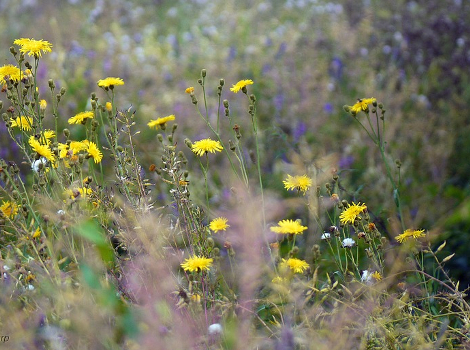
We all know that pulling weeds out by hand can cause the roots to break, which leads the root to remain in the ground and increases the risk of regrowth. Some weeds can pose a serious threat to horses, ponies and livestock such as Ragwort, Sycamore and Clover. What’s more, some are also harmful to humans and can cause allergic reactions or sickness. This is where spraying herbicides is essential to paddock maintenance and should be done as soon as weeds start to emerge. Selective paddock and pasture weed killers kill and control specific weeds leaving the grass unharmed. Interestingly, a 10% infestation of any weeds means a 10% reduction in grass, regardless of whether it is used for grazing or cropped for hay.
Herbicides are key for clearance
Chemical herbicides must always be sprayed by a qualified user who holds a PA1, PA2 and PA6 qualification, this is the same for both tractor and knapsack sprayers. Areas that have been treated should be fenced off immediately to ensure livestock are kept away from the area as these herbicides can be harmful to the animals.
A go-to checklist will look similar to this;
- If rain is forecast, don’t plan your spray as the chemical will wash off weeds and into rivers
- Always aim the spray away from rivers as this can contaminate drinking water
- Cover all drinking troughs in the immediate vicinity
- Always target young weeds which are actively growing
- Ensure that you spray when it isn’t windy – as your herbicide could end up where you didn’t intend it to
- Ensure a certified specialist has serviced and calibrated your sprayer beforehand and only make as much herbicide as you require
It’s all in the maintenance
To get the best out of any field it should be nurtured and managed. If you maintain your paddocks it will help you keep on top of the weeds and ensure a healthy grass sward on which the horses can graze and if carried out in conjunction with ‘topping’ then ultimately there should be a much sweeter grass for your horses and other livestock.
Topping encourages root development, young grass growth and stimulates a thicker sward at the same time as preventing the regrowth of Ragwort, dock leaves, nettles and thistles and risk to the horses.
A variety of grass seed mixtures are now more common in the market place to provide a wider benefit depending on the use of the paddocks. Ranging from the more hardy mixtures for their roughage and low fructan content that copes with the pressures of equestrian use, to a blend of meadow grass which creates a more natural habitat for grazing and can be more nutritional but again avoiding the high-sugar grass which can risk laminitis in some breeds.
But of course, some paddock areas comprise of amenity space for loafing/exercise and the grass needs to have higher seeding rates to create a dense and carpet like surface and where the blades knit together, where there is likely to be excessive wear along fence lines and possibly corners. In all instances where reseeding has taken place, you should keep your horses off these areas for at least two to three months until the grass is strong enough to withstand them.
Related posts


